Plastering & Repairs
Wall and ceiling repairs, from a few nail holes to full re-plastering, sorted before the paint goes on, not hidden underneath it.
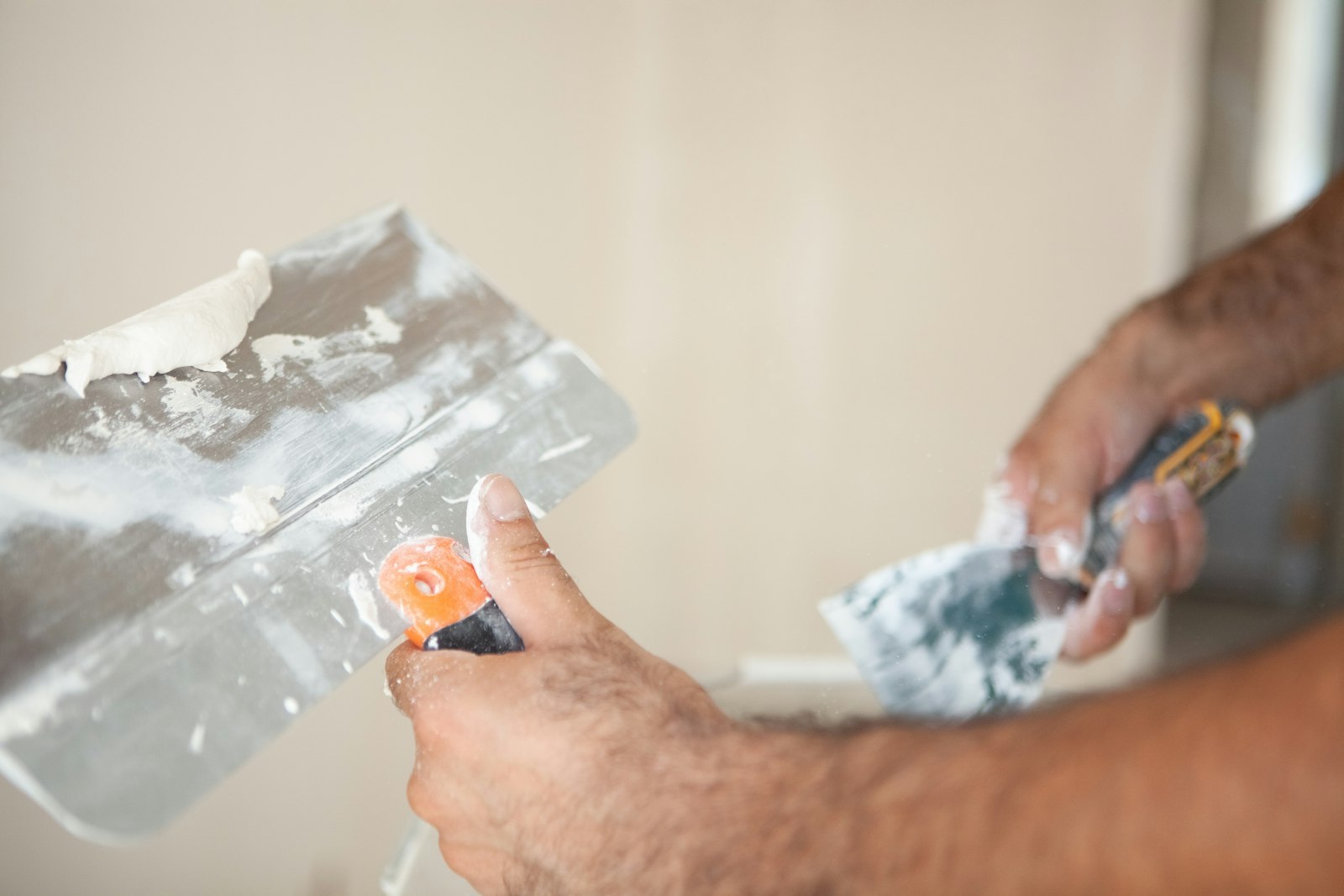
Paint doesn't fix a damaged wall. It just tells you where the damage is, usually within a few months, once a poorly filled crack reopens or a water stain bleeds back through a fresh coat. Proper plastering and repair work happens before painting starts: filling and sanding minor cracks and nail holes, stopping GIB plasterboard joins so they're invisible once painted, and identifying whether a stain is cosmetic or a sign of an active leak that needs fixing first.
New Zealand's damp climate makes this a more common job than people expect. Older homes with less effective ventilation, and properties with a history of weathertightness issues, often develop damp patches or mould around window reveals, bathroom ceilings, and exterior-facing walls. Painting straight over mould without treating the surface, and without addressing whatever's letting moisture in, just delays the same problem showing up again a season later.
Severity matters for scoping the job properly: a handful of nail holes is a very different job to a wall that needs a full skim coat after water damage or old wallpaper removal. Tell us the area affected and how bad the damage is, and we'll match you with a plasterer or repair-focused painter who scopes it accurately rather than quoting a flat rate that doesn't match the actual condition of your walls.
What's typically included
- Filling and sanding of minor cracks, nail holes, and surface dents
- GIB plasterboard stopping and jointing for new walls or renovations
- Water damage assessment and repair, including stain-blocking primer where needed
- Full skim coating for walls damaged by old wallpaper or major cracking
- Mould treatment ahead of repainting, addressing the surface, not just covering it
- Ceiling crack repair, common in older plaster and stopped-GIB ceilings
Frequently asked questions
Is a water stain on my ceiling something to worry about?
It's worth checking rather than just painting over it. A stain can be old and dry, from a leak that's already been fixed, or a sign of ongoing moisture from a roof, plumbing, or condensation issue. A stain-blocking primer will stop it bleeding through fresh paint, but if the moisture source is still active, the stain will likely come back. Mention it in your enquiry so your matched provider can assess it properly.
What's GIB stopping, and do I need it?
GIB stopping is the process of filling and taping the joins between plasterboard sheets so the wall looks like one continuous surface once painted, with no visible seams between sheets. You'll need it on any new plasterboard wall or ceiling, and on repair patches where a section of board has been replaced.
Can mould be painted over, or does it need treating first?
It needs treating first. Painting directly over mould traps it under the new coat, and it's likely to reappear, sometimes bleeding through. A proper repair job cleans and treats the affected surface, and flags if there's a moisture or ventilation issue behind it that's worth addressing separately.
Related
Other services worth a look
Interior Painting
Walls, ceilings, and trim done properly: filled, sanded, and painted with the right number of coats for the surface.
Learn moreExterior Painting
Weatherboard, brick, or plaster, painted with the prep and paint system your cladding actually needs.
Learn moreRoof Painting
Water blasting, rust treatment, and a proper roof coating system, not a quick roller job over a dirty roof.
Learn moreWhere we match
Plastering & Repairs across New Zealand
Ready to get matched with a local painter?
Two minutes on the form, and your enquiry goes to one vetted local provider. No call centre, no five-way bidding war.
Get a Free Quote