Deck & Fence Staining
Deck and fence staining that starts with a proper clean and sand, so the coating actually bonds to bare, dry timber.
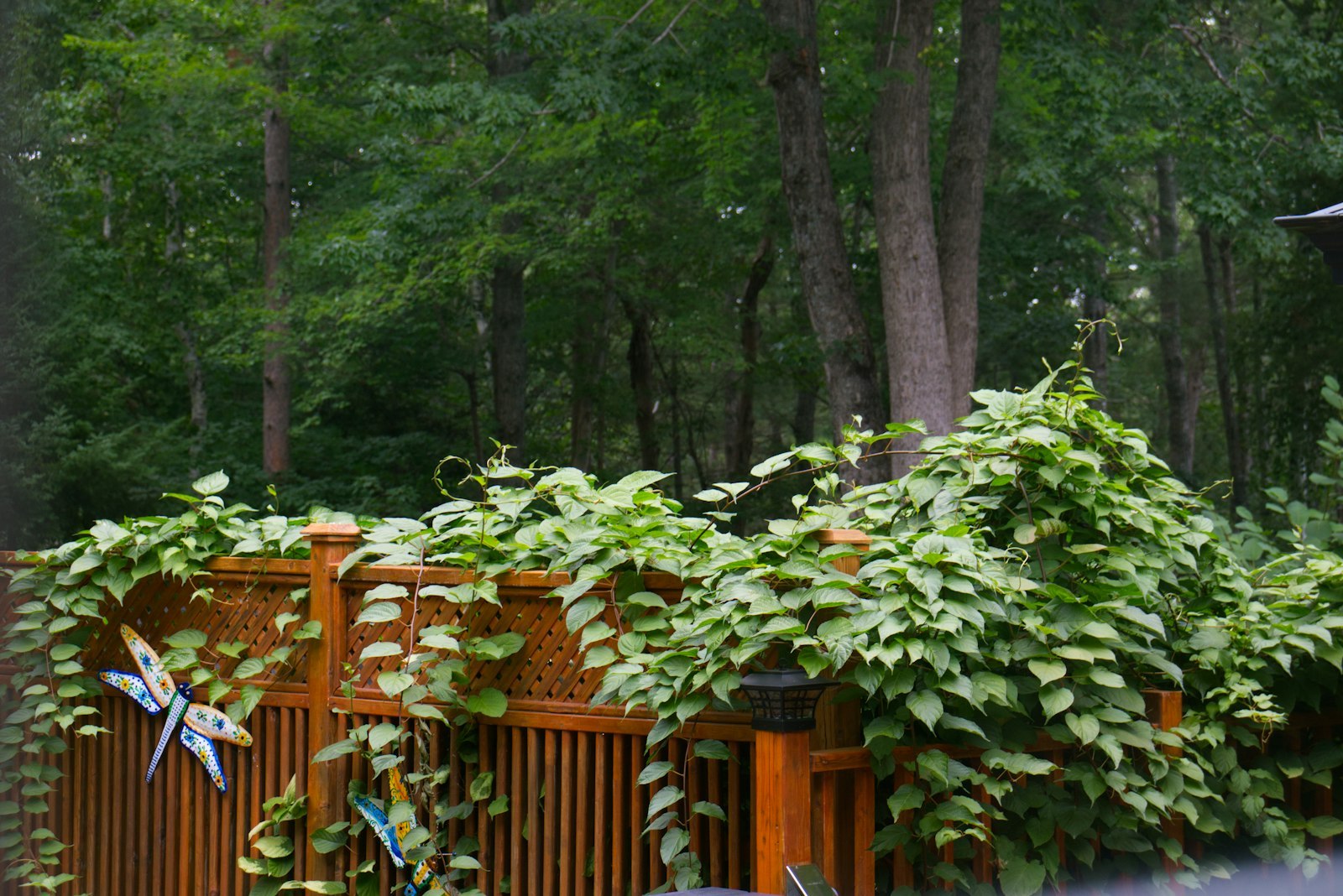
Outdoor timber takes a beating in New Zealand's climate: UV exposure greys and dries out bare wood, and damp winters encourage mould and mildew on anything that doesn't drain or dry properly. A stain or oil coating protects the timber from both, but only if it's applied to a clean, sound surface. Staining over grey, weathered timber without cleaning and sanding first usually means the new coat doesn't bond properly and starts flaking within a season.
Decking and fencing don't always need the same treatment. Decking gets foot traffic and pooling water, so it often needs a harder-wearing, slip-resistant coating, especially on horizontal surfaces exposed to rain. Fencing is more about UV and weather protection than wear, so a simpler oil or stain usually does the job. Whether you're doing one or both, the timber's current condition (bare, previously stained, or in need of replacement boards) changes what prep is needed before any coating goes on.
Tell us what you're covering, deck, fence, or both, along with the rough size and current condition, and we'll match you with a local painter who preps outdoor timber properly rather than rolling a fresh coat over old, flaking stain.
What's typically included
- Water blasting or scrubbing to remove grime, mould, and grey weathering
- Sanding back bare or peeling timber before restaining
- Gap and joint checks on decking, flagging any boards that need replacing before coating
- Stain or oil systems suited to foot traffic for decking and weather exposure for fencing
- Rail, post, and paling coverage on fences, not just the visible face
- Advice on recoat intervals so the timber doesn't go untreated for too long between jobs
Frequently asked questions
How often does a deck need restaining?
It depends on the coating used, how much sun and foot traffic the deck gets, and how exposed it is to rain. As a general guide, many decks need attention every one to three years, more often for high-traffic areas or coatings with less UV protection. Your matched painter can give you a realistic interval based on your specific deck and coating choice.
Can you stain over an old, peeling coating, or does it need to come off first?
It needs to come off first, at least where it's flaking. New stain applied over failing old coating just peels along with it. A proper job sands or strips the failing sections back to sound timber before recoating, so the new layer actually bonds.
Is oil or stain better for a deck?
Both have a place. Oil tends to be easier to maintain with light recoats over time and shows wear more gradually. Stain, particularly a solid or semi-solid stain, can offer stronger colour and UV protection but usually needs fuller sanding back when it's time to recoat rather than a simple refresh. Your matched painter can talk through which suits your deck and how much maintenance you're up for.
Related
Other services worth a look
Interior Painting
Walls, ceilings, and trim done properly: filled, sanded, and painted with the right number of coats for the surface.
Learn moreExterior Painting
Weatherboard, brick, or plaster, painted with the prep and paint system your cladding actually needs.
Learn moreRoof Painting
Water blasting, rust treatment, and a proper roof coating system, not a quick roller job over a dirty roof.
Learn moreWhere we match
Deck & Fence Staining across New Zealand
Ready to get matched with a local painter?
Two minutes on the form, and your enquiry goes to one vetted local provider. No call centre, no five-way bidding war.
Get a Free Quote