Exterior Painting
Exterior painting that accounts for New Zealand's weather and your specific cladding, not a one-size-fits-all quote.
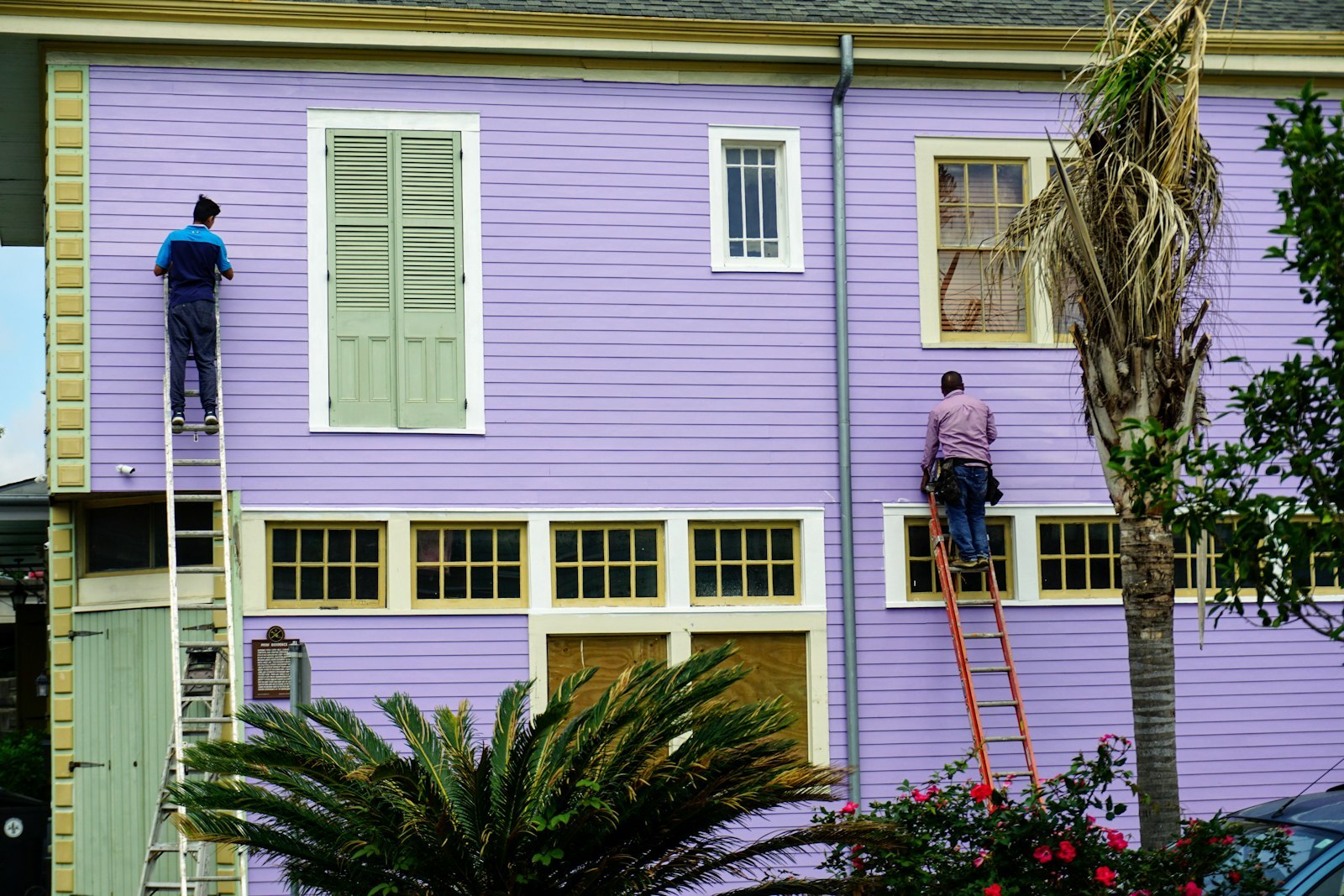
Exterior work lives or dies on prep, more than any interior job does, because the surface has been sitting outside taking on sun, rain, and salt air for years. Old flaking paint has to come off properly, timber has to be checked for rot before anyone paints over it, and any mould or moss growing on the surface needs treating, not just painting over. Skip that step and the new coat fails early, usually within a year or two, regardless of how good the paint itself is.
New Zealand's housing stock uses a real mix of cladding: painted weatherboard is still common, especially on older villas and bungalows, alongside brick veneer, plaster or stucco-style monolithic cladding, and fibre cement sheet (often sold under the James Hardie brand). Each one takes paint differently. Timber weatherboard needs a flexible, breathable coating that moves with the board; plaster and fibre cement usually take a masonry or acrylic exterior system. If your home was built before 1980, there's also a reasonable chance some existing paint layers contain lead, which changes how sanding and paint removal should be handled to keep dust exposure safe.
Weather matters too. Most exterior work in New Zealand happens between around October and April, when there's a longer run of dry, mild days for paint to cure properly. Painting in cold, damp, or humid conditions, or right before rain is forecast, is a common reason a coating fails early. Tell us your cladding type, the number of storeys, and how easy the property is to access, and we'll match you with a local painter who scopes exterior jobs to the actual building, not a flat per-square-metre guess.
What's typically included
- Water blasting, scraping, and sanding to remove failing paint before recoating
- Moss, mould, and mildew treatment ahead of painting, not painted over
- Assessment for rot, especially around joinery, deck junctions, and ground-level boards
- Lead paint awareness for pre-1980 homes, with safe prep practices where old coatings are present
- Cladding-appropriate paint systems for weatherboard, brick, plaster, or fibre cement
- Scaffolding or safe access equipment arranged for upper storeys or difficult sites
Frequently asked questions
My house was built before 1980. Does that change anything?
It can. Homes built before 1980 sometimes have lead-based paint in older layers, even under several coats of newer paint. A painter working on a pre-1980 property should test or assume lead is present when sanding or removing old coatings, and use containment and safe disposal practices rather than dry-sanding it into dust. Mention the age of your home when you request a quote so this is factored in from the start.
What's the best time of year to paint the exterior of my house?
Broadly, spring through to early autumn, when days are warmer and drier and there's less chance of rain interrupting a coat before it cures. Painting in winter isn't always impossible, but cold, damp conditions slow drying and can affect how well the paint bonds, so a good painter will factor the season into scheduling rather than pushing ahead regardless of weather.
Do I need scaffolding, or can you use ladders?
It depends on the height and shape of the house. Single-storey homes are often manageable with ladders and podium steps. Anything above around three metres, steep sites, or awkward gable ends usually call for scaffolding so the painter can work safely and cover the surface evenly. Your matched painter will assess access as part of the quote.
Related
Other services worth a look
Interior Painting
Walls, ceilings, and trim done properly: filled, sanded, and painted with the right number of coats for the surface.
Learn moreRoof Painting
Water blasting, rust treatment, and a proper roof coating system, not a quick roller job over a dirty roof.
Learn moreCommercial Painting
Offices, retail, and warehouses painted around your trading hours, with a painter used to working on live commercial sites.
Learn moreWhere we match
Exterior Painting across New Zealand
Ready to get matched with a local painter?
Two minutes on the form, and your enquiry goes to one vetted local provider. No call centre, no five-way bidding war.
Get a Free Quote